Kennington piano removals case study safe handling and costs
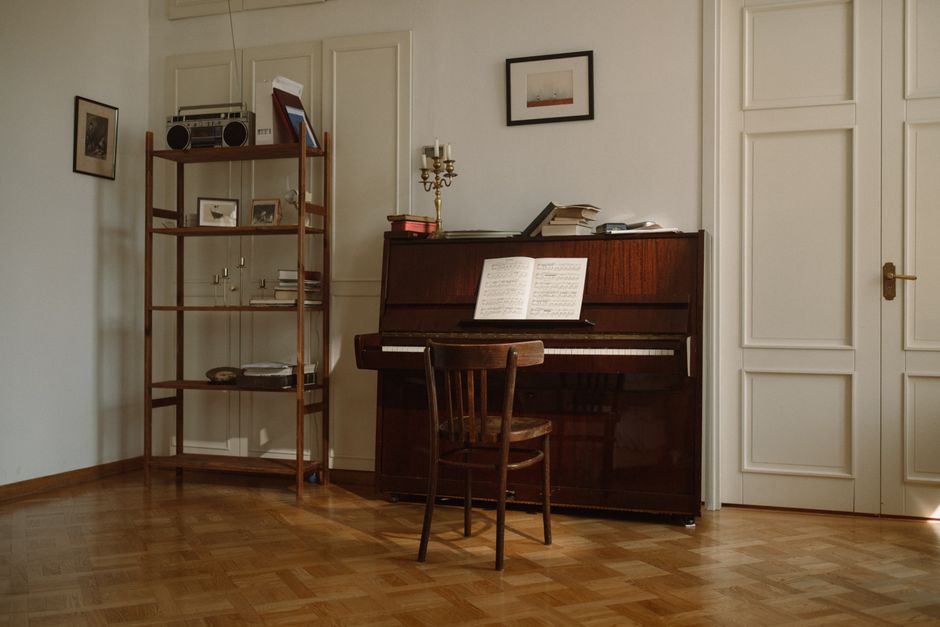
If you're planning a piano move in Kennington, you're probably weighing up two things at once: safe handling and cost. That's fair enough. A piano is not just another bulky item. It's heavy, awkward, surprisingly delicate, and usually has some emotional value attached to it as well. In this Kennington piano removals case study safe handling and costs guide, we'll walk through how a careful move is planned, what tends to affect the price, and where people sometimes get caught out.
The idea is simple: help you understand what a professional piano removal should look like in practice, not in theory. You'll see the risks, the methods, the likely cost drivers, and the best way to judge whether a quote is sensible. And yes, we'll keep it grounded in real-world decision-making, because nobody needs fluffy advice when there's a piano half blocking the hallway.
Practical takeaway: a good piano move is rarely the cheapest quote on paper. It is the one that balances access, protection, manpower, equipment, and insurance in a way that avoids damage to the instrument, the property, and frankly, everyone's nerves.
Why Kennington piano removals case study safe handling and costs Matters
Kennington has the kind of housing stock that can make piano moves feel deceptively simple right up until the staircase appears. Narrow entrances, shared hallways, basement flats, upper floors, awkward corners, and parking constraints can all change the job fast. In a busy London area, even a short-distance piano removal can become a technical move if access is tight.
The reason this topic matters is that piano removals are one of those jobs where small mistakes become expensive very quickly. A minor wobble on a stair, the wrong lifting angle, or poor wrapping can lead to scratches, cracked legs, damaged pedals, broken keys, or worse, injury. And let's face it, a piano is not something you want to "sort out on the day." That approach usually sorts out nobody.
Cost matters too, because piano removals are often priced differently from standard furniture moves. A quote may depend on the type of piano, the weight, the route out of the property, whether a lift is available, whether steps are involved, and whether the mover needs specialist equipment or extra crew. If you understand these variables early, you can compare quotes properly and avoid overpaying for a simple move or underpaying for a risky one.
There's also a trust issue here. A sensible removal company should explain how they plan to protect the instrument, the property, and the people involved. If nobody mentions access checks, protection materials, or insurance cover, that's not a great sign. Not ideal, to be blunt.
How Kennington piano removals case study safe handling and costs Works
A well-run piano removal is usually a sequence of small, careful decisions. The process starts with assessment and ends with placement in the new room, but the real work is in the middle: protection, coordination, and controlled movement.
First, the mover identifies the piano type. Upright pianos are common in homes and tend to be more manageable than grands, but they still need careful handling. Grand or baby grand pianos usually need partial dismantling and specialist movement techniques. The shape, weight, and balance point all matter.
Next comes access planning. In Kennington, that means looking at stairs, door widths, hall turns, lift size, kerb access, parking arrangements, and whether the route requires turning the piano through a tight corner. A mover may also ask about flooring type, carpets, thresholds, and anything fragile in the route. That's not fussiness. It's the difference between a smooth move and a scrape across a wall that you notice every time you walk past it.
Then there's protection. This usually includes blankets, padding, straps, covers, and sometimes specialist dollies or skids. On certain jobs, stair-climbing aids or team lifting methods are used. For larger or more delicate instruments, the legs, lid, pedals, or lyre may be secured or removed as part of the process.
Finally, the logistics of the move itself affect cost. If the piano must be carried a long distance from the property to the vehicle, or if access is poor and more people are needed, the price rises. If storage or interim holding is involved, the move may sit alongside other services such as removals or removals and storage, depending on the wider move plan. That can be useful when your home move and piano move are happening together, and it often keeps the whole day calmer.
One useful way to think about it is this: piano removals are less about brute force and more about controlled precision. The people doing the job should look calm. If they look too casual, that can be a problem. If they look a bit serious and methodical, that's often reassuring.
Key Benefits and Practical Advantages
The biggest benefit of a professional piano removal service is obvious: less risk. But there's a bit more to it than that.
- Reduced damage risk: proper wrapping, lifting and positioning protect the piano's finish and structure.
- Safer for the property: walls, bannisters, floors and door frames are less likely to get knocked or marked.
- Lower injury risk: pianos are heavy and awkward; trained handling matters.
- Better time control: a planned move usually runs more smoothly than improvising on the spot.
- Clearer cost expectations: once the access and piano type are known, quotes become easier to compare.
- More confidence at the destination: the piano is placed where you want it, not wherever the team can manage after a long struggle.
There's also a quieter advantage that people often forget: peace of mind. If you're moving home, managing family logistics, or opening a business space, the piano should not become the thing that derails the day. A specialist mover helps keep the whole operation under control.
In some cases, piano removal is paired with temporary storage. That can be helpful if the destination isn't ready yet, or if decorating or floor work is still underway. Services such as secure storage or short-term storage may be relevant when timing is tight, although not every move needs that extra step.
Expert summary: the best piano removal is usually the one that looks unremarkable on the day. No rush, no drama, no damage. That's the goal. A clean, controlled move is not flashy, but it is exactly what you want.
Who This Is For and When It Makes Sense
This kind of move makes sense for anyone relocating a piano in or around Kennington, but the details vary depending on who you are and what you need.
Homeowners and renters often need piano removals during a full house move, a flat-to-flat relocation, or a room reconfiguration. If the piano is going from a first-floor flat to a ground-floor property, access becomes one of the key price drivers. If you live in a period building with awkward stairs, it can be worth getting a specialist involved rather than relying on general movers alone.
Musicians and teachers need stable handling because the piano is not just furniture. Even if the instrument appears sturdy, rough movement can affect tuning stability and, in some cases, the mechanism. You may not hear the problem immediately. A slightly off note the next morning can be enough to ruin the mood, truth be told.
Schools, studios and organisations may need piano removals as part of a wider equipment move. In that setting, timing matters as much as handling. A move that has to fit around lessons, rehearsals or opening hours needs planning, not guesswork. Business clients may also be thinking about office removals or business storage if they are reshuffling space during refurbishment.
It also makes sense when access is awkward. That includes basements, upper floors, shared entryways, tight staircases, or properties where parking is a headache. In Kennington, those conditions are not rare. A careful assessment saves time and usually saves money in the long run, even if the quote is a little higher at the outset.
Step-by-Step Guidance
Here's a practical way to think about the process from start to finish. This is the bit most people want, even if they don't always say it out loud.
- Identify the piano type. Upright, grand, baby grand, digital? They are not handled the same way, and the price will differ accordingly.
- Measure access. Check door widths, stair turns, hallway width, lift size, and any outdoor obstacles. A tape measure and five quiet minutes can save a lot of hassle.
- Note any risks. Fragile flooring, low ceilings, narrow landings, old plaster, busy roads outside, or limited parking should all be flagged.
- Request a detailed quote. Ask what is included: labour, wrapping, protection materials, dismantling, reassembly, waiting time, and insurance cover.
- Prepare the route. Clear clutter, remove rugs, protect corners if needed, and make sure someone is available to open gates or doors.
- Confirm timing. Morning slots can sometimes be easier in London because parking and building access are slightly calmer. Not always, but often enough to matter.
- Supervise placement at delivery. Decide in advance where the piano will sit so the team does not need to shift it multiple times once it is inside.
If the move is part of a larger relocation, some people also arrange general packing support. That can help with the surrounding furniture and reduce the risk of the piano becoming the one awkward item left standing in the middle of a half-packed room. If that sounds familiar, services like packing services and local removals can fit around the move plan, provided they genuinely match your needs.
One small but important point: if the piano has not been moved in years, do not assume it is easier because it has "settled." The opposite can be true. Dust, sticky castors, stiff hinges, and uneven weight distribution can make an old piano more awkward than a newer one. Funny how that works.
Expert Tips for Better Results
There are a few habits that make piano moves go more smoothly, and they are usually boring in the best possible way.
1. Be precise about access. Don't just say "it's a flat." Say how many stairs, where the corners are, whether there is a lift, and whether parking outside is restricted. The more exact you are, the less likely the quote is to jump later.
2. Ask about protection materials. Quality blankets, padding, straps and covers matter. If a company cannot explain how they protect the piano and property, keep looking.
3. Check whether the team is used to piano handling. A standard removals crew may be perfectly competent for furniture, but pianos are their own category. You want experience, not optimism.
4. Think about the destination room. Where the piano is going matters almost as much as how it gets there. Tight corners, soft flooring and radiators all influence placement.
5. Ask about insurance clearly. You want to understand what cover applies if something goes wrong. Keep the conversation plain and direct. No jargon contest required.
6. Schedule around the building environment. If the building is busy at school run time, lunchtime, or after work, the move may take longer simply because access is slower.
7. Consider storage if timing is messy. If your new place is not ready, a temporary holding option can reduce pressure. Services like mobile self-storage or household storage may help in the wider move plan.
A small human note here: the best moves often feel slightly uneventful. People sometimes expect a dramatic checklist moment, but really it's about tidy planning, steady hands, and a bit of patience. That's the whole game.
Common Mistakes to Avoid
There are a handful of errors that come up again and again. Most are avoidable, which is the annoying part.
- Choosing on price alone. The cheapest quote may omit insurance, protection, or enough crew.
- Underestimating access issues. A single tight bend can change the whole job.
- Not confirming the piano type. An upright is not the same as a grand, and a digital piano is a different conversation altogether.
- Leaving packing until the last minute. Clutter slows everyone down and increases the risk of a knock or trip.
- Forgetting building rules. Some properties have access windows, lift bookings, or parking restrictions that can affect the move.
- Not asking about disassembly. Some pianos need parts removed or secured for safe transport.
- Assuming a short move is automatically cheap. Short distance does not always mean simple. A second-floor flat is still a second-floor flat.
One mistake that surprises people is failing to protect the floor properly at either end. It sounds minor, but if a heavy item is dragged or pivoted on bare floorboards, the damage can be immediate. You only need to hear that scraping sound once to understand why movers are so fussy about mats and blankets.
Tools, Resources and Recommendations
You do not need a van full of fancy equipment to understand a piano move, but the right tools matter a great deal on the day.
Useful equipment and materials often include:
- removal blankets and padded wraps
- heavy-duty straps
- stair trolleys or piano dollies
- protective corner guards
- floor coverings or runners
- basic measuring tools for access checks
- gloves with grip and suitable lifting gear
From a planning point of view, the most useful resources are often internal to the moving company: a clear price guide, a written quote, a health and safety policy, and proper insurance information. If you want to understand how a provider approaches risk and care, pages such as health and safety policy, insurance and safety, and pricing and quotes are good indicators of whether the business explains its process properly.
For related moving needs, it can also help to know whether a company handles a wider range of services such as man and van, small removals, or flat removals. That won't matter for every piano job, but it can make planning easier if the instrument is part of a bigger move.
Law, Compliance, Standards, or Best Practice
For piano removals, the most relevant practical issue is not some mysterious regulation hidden in the back room. It is basic safety, competence, and clear responsibility. In the UK, removal work should be carried out with appropriate care for workers, customers, and property. That means proper risk awareness, suitable equipment, and a method that does not rely on guesswork.
A reputable mover should be able to explain how they reduce lifting risks, protect access routes, and manage damage concerns. They should also be clear about insurance and any exclusions. That clarity matters because a piano move can involve both personal injury risk and property risk, especially in tight stairwells or shared buildings.
Best practice usually includes:
- checking access before the move where possible
- using enough trained people for the job
- protecting floors, corners, and doorframes
- securing loose parts and fragile components
- communicating clearly with the customer before lifting starts
- confirming insurance and liability terms in advance
If you are moving through a block with communal areas, it is also sensible to be mindful of building rules, neighbours, and timed access arrangements. That is less about formal law and more about avoiding preventable problems. A good move is usually a polite one, too.
Options, Methods, or Comparison Table
There is more than one way to move a piano, but not every method suits every job. The right choice depends on the instrument, access, and budget.
| Method | Best for | Typical strengths | Possible drawbacks |
|---|---|---|---|
| Specialist piano removal team | Uprights, grands, awkward access, valuable instruments | Highest control, proper protection, experienced handling | Usually costs more than basic removal help |
| General removals crew with piano experience | Straightforward upright moves with decent access | Good value when the route is simple | May be less suitable for complex or high-value jobs |
| DIY or informal help | Very limited situations, light digital keyboards | Lowest upfront cash outlay | Highest risk of damage or injury; not suitable for most pianos |
| Move plus storage | When dates do not line up or the destination is not ready | Flexibility and less pressure on the day | Extra cost and one more logistics step |
For most household pianos, the specialist route is the safest option, especially in London properties where stairs and parking can complicate matters. If the move is part of a broader home relocation, a provider that also offers house removals or long-term storage may be helpful, but only if the service really fits your timeline.
Case Study or Real-World Example
Here's a realistic example based on the sort of move that happens all the time in Kennington.
A customer needs to move an upright piano from a first-floor flat near a busy road to a ground-floor home a few streets away. At first glance, it sounds straightforward. Short distance, no huge journey, no drama. But the access changes the picture. The flat has a narrow staircase, a tight landing turn, and limited waiting space outside for the vehicle. The move needs two people, careful wrapping, floor protection, and a bit of coordination with parking.
Before the move, the team checks whether the piano fits cleanly through the doorway and down the stair route. They confirm the type of piano, note the finish, and ask where it will go at the destination. On the day, the piano is wrapped, secured, and moved slowly down the stairs with one person guiding and the other controlling the weight. Nothing fancy. Just careful, boring competence. The receiving room is cleared in advance, so the piano is placed once, not shuffled about three times while everyone changes their mind.
Cost-wise, the final price depends on the access difficulty, crew size, and whether any extra protection or waiting time was needed. In a case like this, the move is often more expensive than a standard sofa removal but less costly than a complex grand piano relocation. The key point is that the quote reflects the real job, not just the mileage.
If the customer had tried to save money by using a non-specialist mover, the likely issues would have been fairly predictable: slower handling, more risk of damage, and a lot more tension than anyone needed on a weekday morning.
That is the reality for many piano removals. The job is usually uneventful when planned properly. And that's exactly what you want.
Practical Checklist
Use this checklist before booking a piano move in Kennington. Simple, but it helps.
- Confirm the piano type and approximate size
- Measure doorways, stair width, and any awkward turns
- Check whether there is a lift and whether it is usable
- Ask about parking and loading access outside both properties
- Request a written quote with clear inclusions
- Ask who provides wrapping, straps, and floor protection
- Check whether dismantling or reassembly is included if needed
- Confirm insurance cover and any limits
- Decide where the piano will be placed at the destination
- Clear hallways, rugs, and clutter before the team arrives
- Allow time for slow, careful movement rather than rushing
If you want a move to feel calmer, this is one of those jobs where five minutes of prep can save fifty minutes of friction. Or more, honestly.
Conclusion
A Kennington piano removal should be planned with care, priced with honesty, and handled with proper equipment. The safest approach is usually the one that starts with a realistic access check and ends with a quiet, controlled delivery. When you understand the moving method, the likely risks, and the main cost drivers, it becomes much easier to compare quotes and choose with confidence.
In practical terms, safe handling protects the instrument, the building, and the people doing the lifting. Cost transparency protects your budget. Put those together, and the whole move becomes far less stressful than people often expect. It really can be a straightforward process when everyone knows what they're doing.
If you are arranging a piano move alongside a house move, storage requirement, or a tight Kennington schedule, take the time to ask detailed questions and get the route checked properly. That bit of care pays for itself in peace of mind.
Get a free quote today and see how much you can save.
Frequently Asked Questions
How much does a piano removal in Kennington usually cost?
The cost depends on the piano type, access, number of stairs, distance, crew size, and whether specialist equipment is needed. A straightforward upright move is usually less expensive than a grand piano move, but every property is different. The best way to get a realistic figure is to request a written quote based on access details.
What makes a piano removal more expensive?
Costs usually rise when access is difficult, there are stairs, parking is restricted, the piano is large or especially heavy, or extra protection and manpower are needed. Storage, waiting time, and dismantling can also add to the total. In other words, the quote is often about the route as much as the piano itself.
Is it safe to move a piano without specialists?
For most full-sized pianos, specialist handling is the safer choice. Pianos are heavy, unbalanced, and easy to damage if they are lifted badly. DIY or informal help can work for very light digital keyboards, but it is generally not a good idea for acoustic uprights or grands.
Do piano removals include insurance?
They should include some form of insurance or at least a clear explanation of cover. Always ask what is covered, what is excluded, and whether the policy applies during lifting, transit, and delivery. A proper company should be able to explain that without fuss.
How long does a piano move take?
That depends on access and complexity. A simple move may be relatively quick, while a piano that needs careful stair movement, tight turning, or coordination with parking can take longer. The shortest jobs are often the ones where the route has already been checked properly.
Can a piano be moved down stairs?
Yes, in many cases it can, but it needs the right equipment, enough trained people, and a suitable route. Stairs are one of the main reasons piano removals become specialist jobs. A proper assessment matters more than guesswork.
What should I ask for in a piano removal quote?
Ask whether the quote includes labour, wrapping, protection materials, dismantling if needed, waiting time, insurance, and any extra charges for access problems. The more transparent the quote, the easier it is to compare like with like.
Will moving a piano affect tuning?
It can. Even when a piano is handled well, transport and changes in temperature or humidity may affect tuning stability. Many owners arrange a tuning check after the move, once the instrument has settled in its new location.
What is the best time of day for a piano move in London?
Morning is often a practical choice because access, parking, and building movement can be a bit easier before the day gets busy. That said, the best slot depends on your building, your parking situation, and the mover's availability.
Should I empty the piano before moving it?
Yes, if the piano has removable items or loose objects, they should be taken out before the move. Even small items can shift around and create problems. A mover may also advise on securing the lid or internal parts, depending on the instrument.
Can a removals company also store my piano?
Some can, and that can be helpful if your move dates do not line up. Storage may be short-term or longer-term depending on your situation. It is worth checking whether the storage area is secure, dry, and suitable for the instrument.
How do I know if a quote is fair?
A fair quote should match the piano type, the access conditions, the manpower required, and the level of protection included. If one quote is much lower than the others, check what has been left out. Sometimes the difference is genuine. Sometimes it is a trap with a very polite smile.