Recycling and Sustainability at Self Storage Lambeth
 At Self Storage Lambeth, sustainability is built into the way we operate, from day-to-day waste handling to the choices we make around transport and materials. Our storage in Lambeth approach focuses on reducing what goes to landfill, improving reuse, and supporting a cleaner local environment. We are proud to serve a borough where communities, businesses, and councils place real emphasis on responsible waste management, careful sorting, and practical low-carbon solutions.
One of our key goals is to maintain a recycling percentage target of 90% across suitable operational waste streams, measured by weight and assessed against what can be separated, recovered, or reused. This target reflects our commitment to continual improvement in self storage recycling, not only within our facilities but also in how items are moved, processed, and diverted from general waste. Where possible, cardboard, plastics, metal, timber, and electrical components are separated before disposal, helping reduce the environmental impact of everyday storage activity.
Local waste practice in Lambeth and neighbouring boroughs also shapes our sustainability efforts. The area’s approach to waste separation encourages different materials to be kept apart for efficient processing, and this aligns well with our own internal systems. In practice, that means clear separation of dry mixed recyclables, paper and cardboard, and non-recyclable residue, with additional care given to packaging materials often generated by people moving home or businesses refreshing stock.  By following these principles, Lambeth self storage can support better recycling outcomes while keeping operations straightforward for customers and staff alike.
We also work with local transfer stations to ensure waste and recyclable materials are handled through the most suitable route. Using nearby local transfer stations helps reduce journey lengths and supports more efficient consolidation of materials before onward processing. In a busy urban area like Lambeth, this matters: shorter haulage distances can mean lower emissions, better scheduling, and less congestion-related impact. Materials such as wood offcuts, broken pallets, mixed packaging, and metals are directed to appropriate facilities where they can be sorted and treated responsibly.
Another important part of our recycling at Self Storage Lambeth strategy is partnership with charities and community organisations. Reusable furniture, household items, shelving, archive boxes, and other goods that still have life left in them may be set aside for charitable donation rather than disposal. These partnerships help extend the value of items and support local people at the same time. In a borough with varied housing needs and active community networks, reuse is often just as important as recycling, especially for items that can be redistributed quickly and safely.
Our charity partnerships are designed to reduce waste and encourage a circular approach. Instead of sending everything through standard waste channels, we assess whether items can be cleaned, repaired, and passed on. This is especially useful for furniture and office equipment, where one organisation’s surplus can become another’s resource.  The result is a more thoughtful system of sustainable self storage that recognises the value of reuse before disposal. It also helps support a local culture where residents and businesses are increasingly aware of the environmental cost of unnecessary waste.
Transport is another area where we are making meaningful changes. We use low-carbon vans wherever practical, selecting vehicles and routes that help cut emissions linked to collections, deliveries, and operational moves. These vans are chosen for their improved efficiency and reduced environmental footprint compared with older, higher-emission vehicles. By combining smarter routing with lower-carbon transport, storage and recycling in Lambeth becomes more aligned with the wider goals of cleaner air and reduced traffic pollution in south London.
Vehicle choices also support the needs of the local area, where narrow roads, frequent stops, and peak-time congestion can all affect emissions. Smaller and more efficient vans are often better suited to urban collections and help us manage tasks like collecting recycling loads, moving reusable goods to charity partners, or transferring waste to sorting facilities. This practical focus on transport is a key part of our broader Self Storage Lambeth sustainability plan, because emissions savings only happen when the whole chain is considered—from the storage unit to the final processing site.
We also pay attention to the type of recycling activity most relevant to an inner-London borough. That includes flattening cardboard to make better use of space, separating paper-based packaging from film plastics, and managing mixed material packaging with care so that recyclable content is not contaminated. Metal items, clean wooden fixtures, and rigid plastic containers may be sent into different recycling streams depending on condition and local facility requirements. 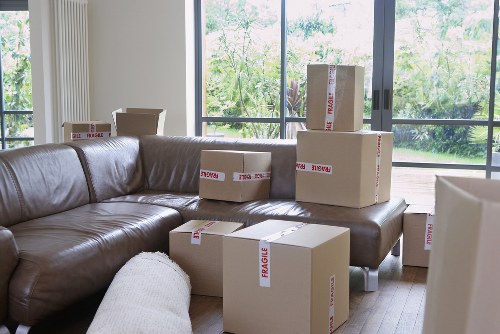 These everyday actions may seem small, but in a busy self storage in Lambeth setting they add up to a significant reduction in waste sent for disposal.
 Looking ahead, our aim is to keep improving recycling performance while supporting the borough’s wider environmental priorities. That means refining sorting procedures, strengthening charity links, and continuing to use low-carbon vans and efficient transfer routes wherever possible. It also means helping customers and partners understand that responsible storage is not only about space, but about how goods are handled during every stage of their journey. In that sense, Self Storage Lambeth is committed to being more than a place to store belongings; it is part of a broader local effort to reduce waste, encourage reuse, and make sustainability a practical everyday habit.